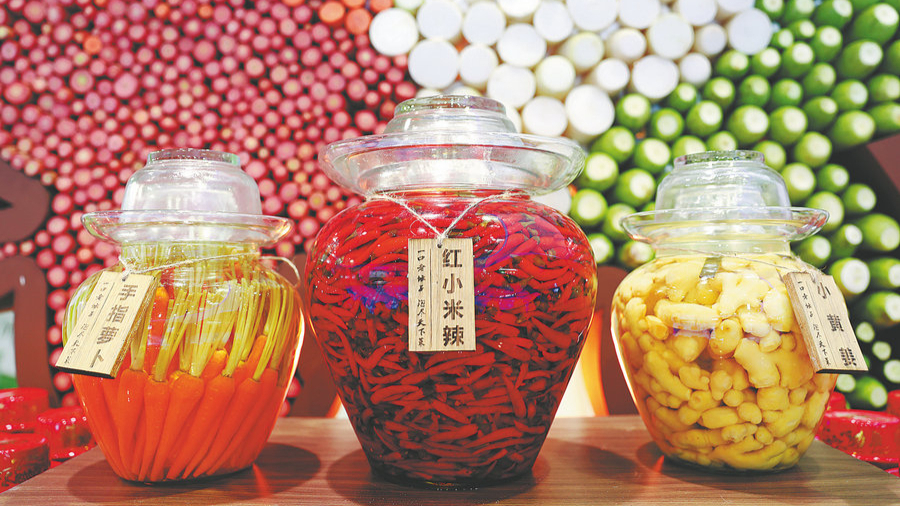
Chinese Cooking Technique: Pickling
Introduction
Pickling is a time-honored preservation technique that has been widely used in Chinese culinary traditions for centuries. It involves the process of preserving food in a solution of salt, brine, or vinegar, which not only extends the shelf life of the food but also enhances its flavor. In Chinese cuisine, pickling is not merely a method of preservation but a crucial element of the culinary art that introduces complex flavors and textures to dishes. This technique is employed across various regions of China, each contributing unique approaches and ingredients, creating a rich tapestry of pickled foods.
History of Pickling in Chinese Cuisine
The history of pickling in Chinese cuisine dates back several millennia, with evidence suggesting that it was practiced as far back as the Zhou Dynasty (c. 11th century-256 BC). Over the centuries, pickling techniques have evolved, influenced by regional tastes and available resources. In ancient times, pickling was primarily a necessity for preserving food through harsh winters and periods of scarcity. However, as Chinese society progressed, pickled foods became an integral part of culinary culture, celebrated for their unique flavors and textures. Notably, the Fuling district in Chongqing has become renowned for its pickled mustard tubers, a tradition that has been recognized as a national intangible cultural heritage.
Ingredients Used
Types of Ingredients
Chinese pickling utilizes a vast array of ingredients that vary by region and the type of pickling desired. Commonly pickled vegetables include cabbage, mustard greens, radishes, and cucumbers, while fruits like plums and peaches are also popular. The choice of vegetables and fruits often depends on local agricultural products, which influences the flavor profile and texture of the pickled items.
Seasoning and Spices
Seasoning and spices play a critical role in the pickling process, imparting distinctive flavors to the preserved foods. Salt is a primary component, essential for the fermentation and preservation process. Other common seasonings include sugar, soy sauce, vinegar, and chili peppers. Spices such as Sichuan peppercorns, star anise, and ginger are frequently used to enhance the aroma and taste of the pickles. The combination of these ingredients results in a harmonious balance of sweet, salty, sour, and spicy flavors that define Chinese pickling.
Traditional Pickling Methods
Dry Pickling
Dry pickling is a technique where food items are coated with a mixture of salt and spices, and then left to ferment. This method is particularly suitable for vegetables with lower water content. The process involves washing and drying the vegetables, then rubbing them with a salt mixture. The salted vegetables are then placed in jars or containers to ferment, allowing the natural process to develop flavors over time. Dry pickling is known for producing intensely flavored pickles with a crunchy texture.
Wet Pickling
Wet pickling involves submerging the food items in a brine solution or vinegar mixture. This method is ideal for vegetables and fruits with higher water content. The process starts with creating a brine solution, often consisting of water, salt, vinegar, and spices. The food items are thoroughly cleaned and sometimes blanched before being immersed in the brine. Wet pickling allows for a more controlled fermentation process and results in pickles with a softer texture and a more nuanced flavor.
Regional Variations
Northern China
In Northern China, pickling is primarily focused on preserving vegetables like cabbage, garlic, and radishes. Before refrigerators were available, pickling was an essential method for ensuring a supply of vegetables throughout the winter months. Northern pickles are often characterized by their bold, salty flavors, with a predominant use of brining and fermentation techniques.
Southern China
Southern China offers a diverse range of pickling traditions, utilizing the region's abundant produce variety. Here, pickles often feature a balance of sweet and sour flavors, achieved through the use of sugar and vinegar. The warmer climate allows for faster fermentation, resulting in pickles like the famous Sichuan paocai, which are spicy and vibrant. In the South, fruits like kumquats and peaches are also pickled, adding a unique dimension to the culinary repertoire.
Role in Chinese Cuisine
Preservation and Flavor Enhancement
Pickled foods play an essential role in Chinese cuisine, serving both as a method of preservation and as a means to enhance the flavor profile of meals. In regions with harsh winters or limited fresh produce, pickling ensures a steady supply of nutritious vegetables. Additionally, the complex flavors developed during the pickling process can elevate simple dishes, providing a burst of umami and enhancing the overall dining experience. Pickled items are often used as accompaniments to rice and porridge or incorporated into stir-fries and soups.
Cultural Significance
Beyond their culinary importance, pickles hold cultural significance in China. They are often associated with family traditions, with recipes passed down through generations. The act of pickling is a communal affair in many communities, symbolizing harmony and prosperity. Pickled foods also feature prominently in traditional Chinese festivals and celebrations, embodying the rich heritage and diversity of Chinese culinary arts.
Health Benefits
Chinese pickles are not only appreciated for their flavors but also for their health benefits. The fermentation process involved in pickling vegetables promotes the growth of beneficial bacteria, which can aid in digestion and boost gut health. Pickled foods are rich in probiotics, which support a healthy immune system and contribute to overall well-being. Additionally, the use of ingredients like ginger and garlic in pickling solutions introduces compounds with anti-inflammatory and antioxidant properties, making pickled items a nutritious addition to the diet.








